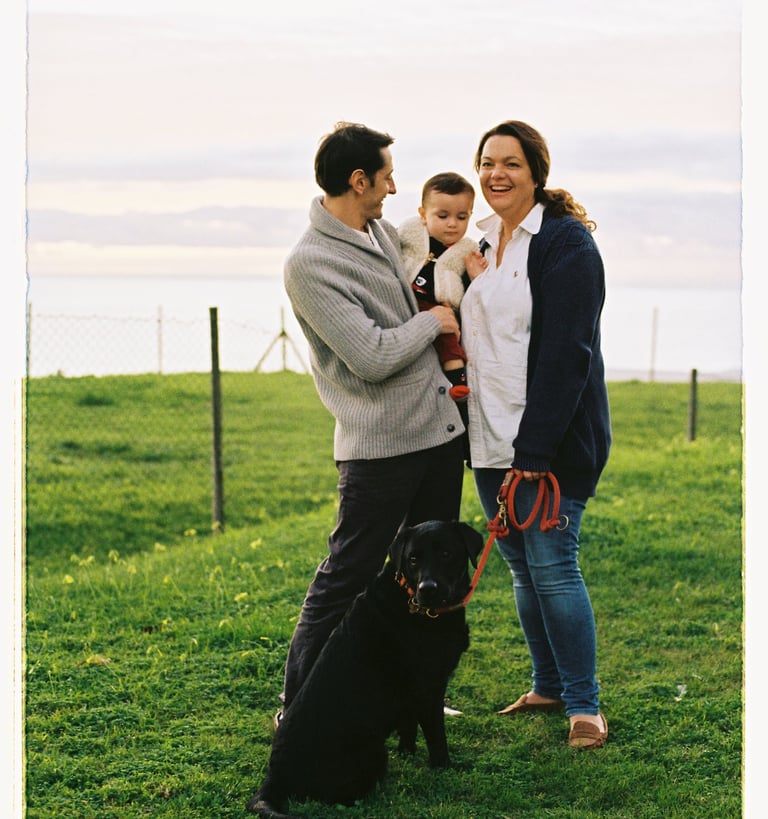
kodak gold 200 pushed 1 stop
my experience shooting kodak gold 200, pushed 1 stop
1/30/20263 min read
Pushing Kodak Gold 200 to 400 ASA (and What I Learned)
This roll wasn’t planned as an experiment — it became one by accident. I had just finished shooting Kodak Ultramax 400, and without thinking, I loaded up a roll of Kodak Gold 200… but forgot to change the ASA/ISO dial back to 200. So I unknowingly shot the first part of the roll at 400 ASA, essentially underexposing the film by one stop.
What pushing (and pulling) film actually means
In simple terms, pushing film means you rate the film at a higher ISO than box speed (ex: shooting Gold 200 at 400), then ask the lab to develop longer to compensate. Pulling film is the opposite: you rate the film lower than box speed (ex: 200 film shot at 100), then develop less. People push film for a few reasons: To shoot in lower light, to get more contrast and sometimes for a specific gritty, grainy look Pulling is often done to: Reduce contrast, smooth tones or preserve highlights in harsh light
The roll: my nephew’s first birthday
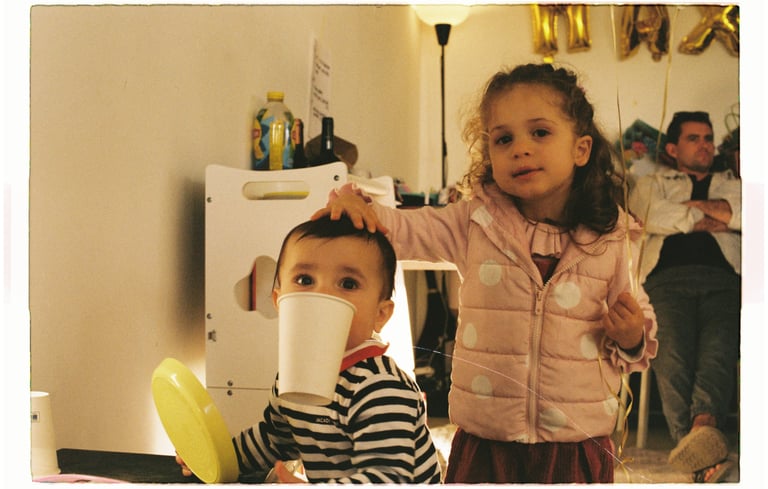
This wasn’t just any roll — it was shot at a family event, my nephew’s first birthday. Lighting conditions were honestly tricky: lots of backlight, fast moments, mixed light, and not much time to slow down and meter perfectly.
Halfway through the roll, I looked down and realized: my camera was still set to 400 ASA. At that point I had a choice: Change it back to 200 and risk having half the roll exposed differently (and likely poorly), or… Commit to the push.
To avoid ending up with a roll that was half underexposed and inconsistent, I decided to stick with 400 ASA and simply ask the lab to develop the roll at 400 (basically increasing development time to compensate for the underexposure).
A learning curve (and a few painful mistakes)
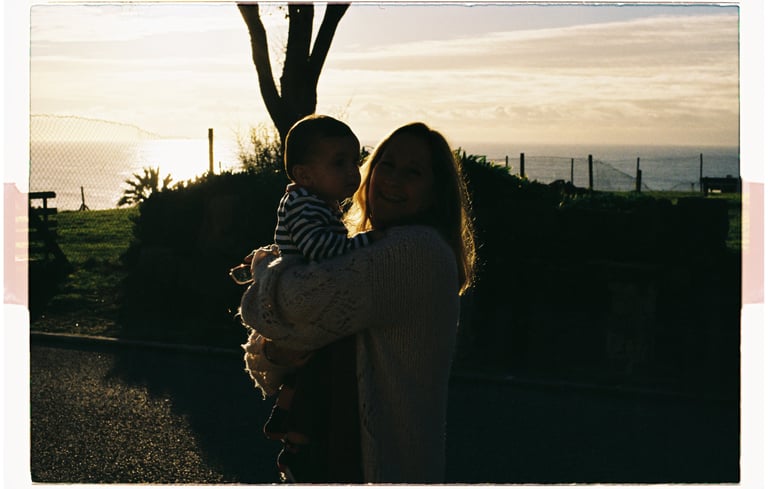
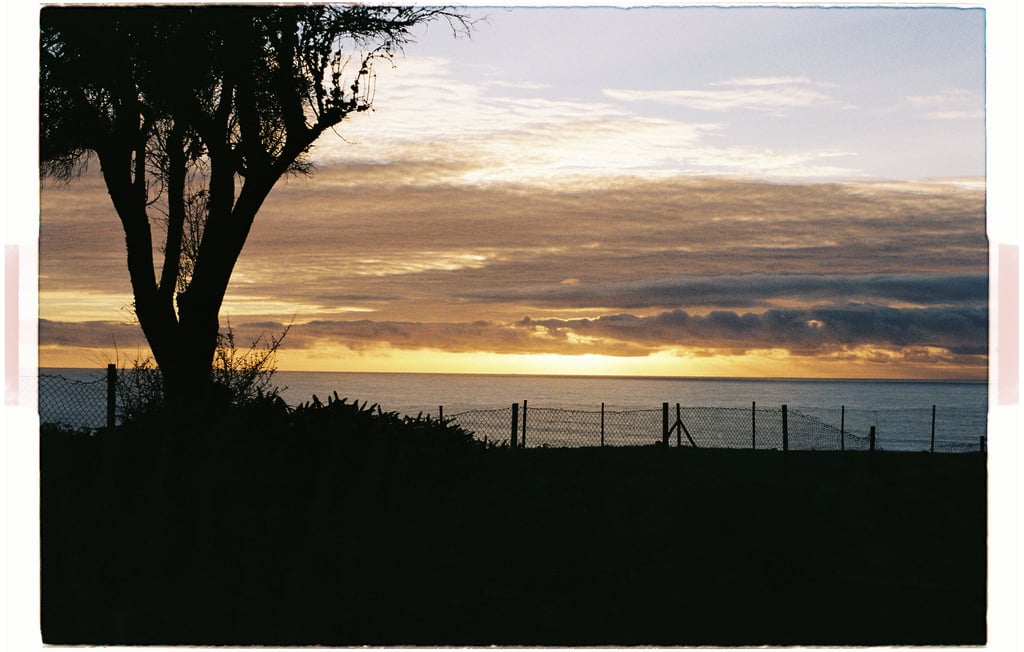
Even with the push, the shooting conditions humbled me. Because of the backlight — and because I didn’t compensate using the exposure compensation dial — a lot of frames ended up underexposed. That’s on me. It was a strong reminder that backlit scenes can trick you, and you need to take control of exposure when the camera’s meter gets confused.
The biggest lesson: film has a lot of latitude in the highlights, but far less in the shadows. So when in doubt, overexpose rather than underexpose. Underexposure is where you really lose detail, and no amount of scanning magic can bring it back cleanly.
Kodak Gold 200 doesn’t like being pushed
When the scans came back, the results confirmed what I’d suspected: Kodak Gold 200 is not a film that enjoys being pushed (and I can’t imagine it likes being pulled either).
In my opinion, the roll came back with unpleasant grain, noticeable color shifts and a look that didn’t feel polished, especially for family photos
Kodak Gold is a consumer film stock, and at box speed it’s genuinely beautiful — warm tones, pleasing contrast, and a classic nostalgic rendering. But pushed to 400, it felt like the film was being forced into something it wasn’t designed for.
Final thoughts
Overall, this roll was a valuable lesson. Almost half the shots are unusable, mainly because they’re underexposed — and even the properly exposed frames have a look I’m not personally happy with due to the grain and color shifts. But honestly? That’s part of it.
The joy of shooting film is exactly this: experimentation, learning, and being present. Every roll demands intention. Every mistake teaches you something. And every frame is a reminder that film photography isn’t just about the final image — it’s about the process of making it.